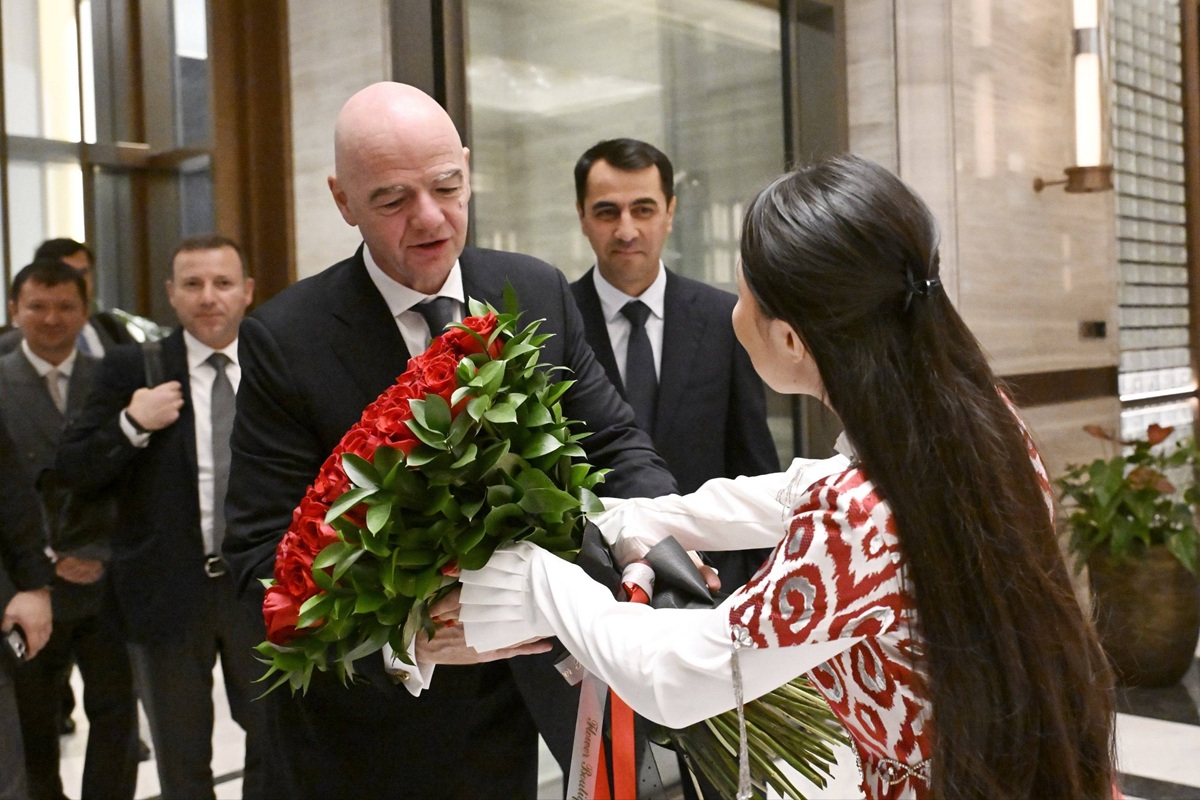
 Gianni Infantino. Photo: Uzbekistan Football Association
FIFA President Gianni Infantino's recent visit to Uzbekistan came as a surprise to many and immediately raised a question: what was that about? Some assumed Tashkent would be the first stop on a planned tour of Central Asia by the head of world football. A new arena was officially opened in Bishkek around the same time, for example, but Infantino did not attend. Nor did he visit the new stadium in Dushanbe. In other words, there was no regional tour: from Uzbekistan, Infantino traveled farther east, continuing a series of visits to national football associations across Asia.
On September 30 in Tashkent, the FIFA chief met Uzbek President Shavkat Mirziyoyev, opened the country's first FIFA Arena mini-pitch, and visited the National Technical Center and the Central Football Stadium under construction in New Tashkent. Infantino's route then took him through Mongolia, Hong Kong, Macau and Indonesia. All of this is happening ahead of the next FIFA presidential election and amid the biggest conflict inside world football in recent years.
Fergana asked Alisher Aminov to comment on Infantino's current position, his Asian tour and the battle over FIFA's future that has now begun. Aminov is a former candidate for president of the Russian Football Union, a member of the expert group working with the Swiss prosecutor's office on its investigation into FIFA corruption, a FIFA expert and a PhD in economics.
Money, votes and the risk of a split in world football
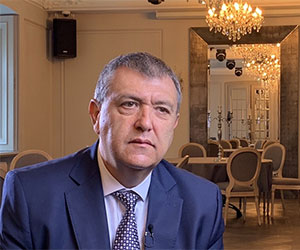 Alisher Aminov. Photo: Alisher Aminov's archive
Ahead of the FIFA Council meeting set for October 15 in Zurich, UEFA's member associations met in Berlin on October 8 and drew up a series of proposals to reform the organization. The initiatives go to the very foundations of FIFA's current governance system and effectively challenge the principles on which Infantino has run the organization in recent years.
After the scandal over an attempt to sell part of FIFA's commercial rights, UEFA's leadership, together with CONCACAF and the AFC, demanded radical changes to how the organization is run. UEFA has held that position since the crisis erupted in early September, when the question of replacing FIFA's leadership was raised openly for the first time. Since then, Infantino has avoided direct official meetings with his main opponents, even though he will chair the Council meeting on October 15. The agenda includes proposals to revise the governance system, but UEFA considers them insufficient. European associations are demanding a far deeper overhaul of FIFA's entire structure and are already saying openly that institutional reform without a change of leadership will not be enough.
The proposals agreed in Berlin call for a clear division of powers among the FIFA Congress, Council, Bureau, president and secretary general. Under this model, the president would chair the Council, represent the organization internationally and provide political leadership, but would be relieved of day-to-day management. The secretary general would be appointed through the FIFA Bureau and answer to that body, not solely to the president.
At the same time, the Council would become a genuine key body that sets FIFA's strategic direction. It would involve stakeholders in discussions and shape the most important proposals affecting the future of world football, from the international match calendar to the distribution of FIFA Forward funds. At present, the Council is widely seen as a cumbersome committee expected to approve proposals coming from the president and the executive leadership. UEFA wants to change that practice fundamentally and restore a real political and strategic role to the Council.
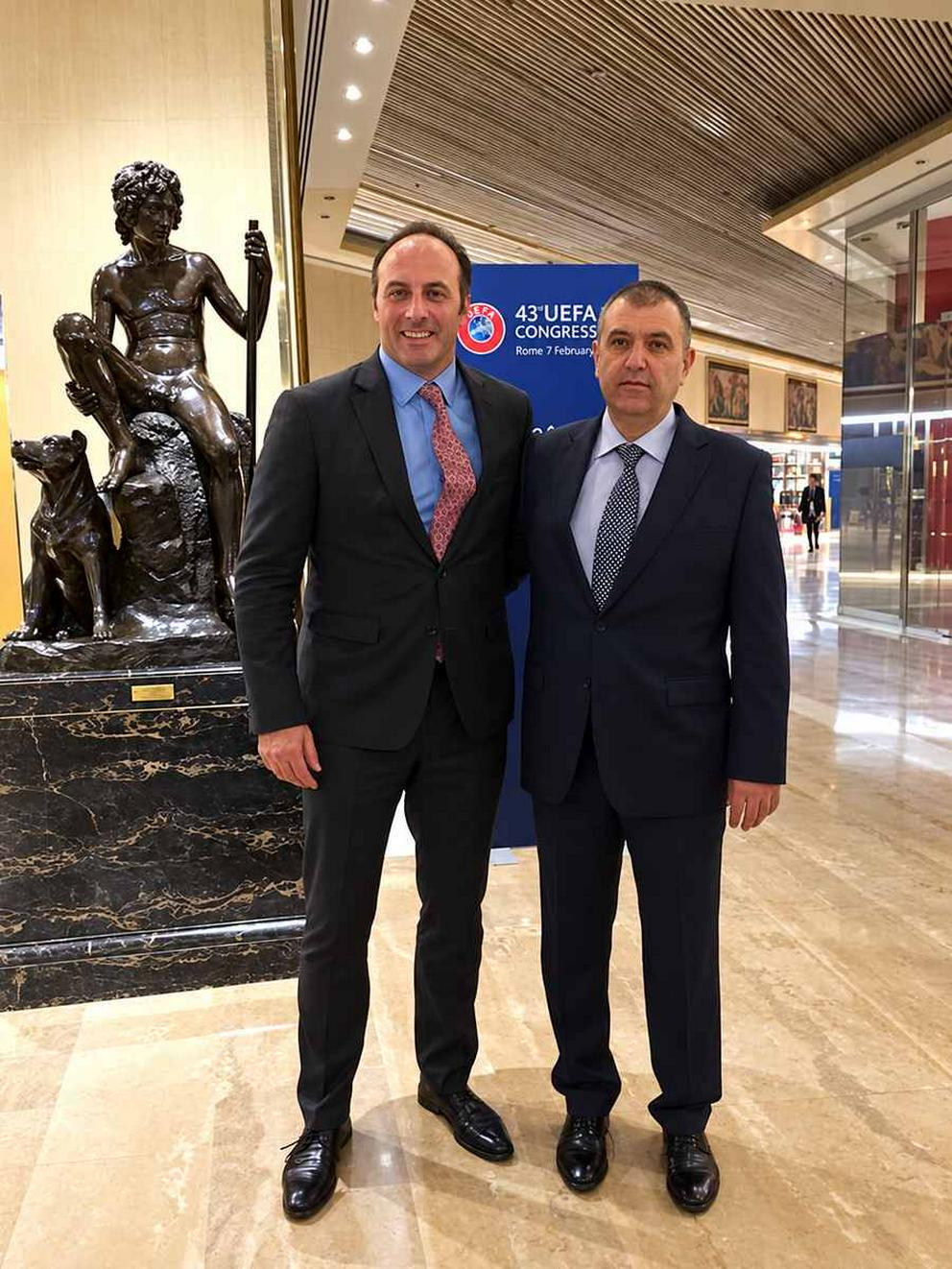 Alisher Aminov and Ramon Vega, an opponent of Infantino. Photo: Alisher Aminov's archive
Stronger ethics and disciplinary oversight, auditing and compliance mechanisms occupy a special place in the reform package. The appointment of the heads of these bodies, and their work, would be shielded from interference by the FIFA president or executive leadership. This is especially telling given that Infantino came to power in 2016 on a promise to reform FIFA after the biggest corruption crisis in its history. Ten years later, world football is again discussing the need for mechanisms that can genuinely limit a president's power.
Another demand concerns the international calendar and the formats of FIFA competitions. Significant changes would require unanimous approval by the Bureau after mandatory consultations. According to the reform's authors, major decisions should follow a clear sequence: consultation, Bureau review, Council and only then final approval. A certain number of national associations would also gain the right to put an issue on the Council's agenda on their own.
Particular importance attaches to a proposal to enshrine the principle that FIFA's resources may not be used for personal or electoral purposes. In recent weeks, Infantino has been on a large-scale global tour, including travel on a private jet provided by Qatar. He has visited Caribbean countries, Latvia, Azerbaijan, Uzbekistan, Mongolia, Hong Kong, Macau, Indonesia, Saudi Arabia, the Czech Republic and other states. Formally, these trips fall within the normal duties of the head of an international football body, but they cannot be viewed outside the political context of the approaching fight for FIFA's leadership.
In Uzbekistan, Infantino met the country's president, opened the FIFA Arena and visited football facilities. In Mongolia, he attended the signing of an agreement to build a new national stadium; in Macau, he took part in events marking the opening of the local football association's headquarters. In Hong Kong, Infantino was greeted by, among others, chants of «FIFA Mafia,» while the reception in Indonesia was considerably warmer.
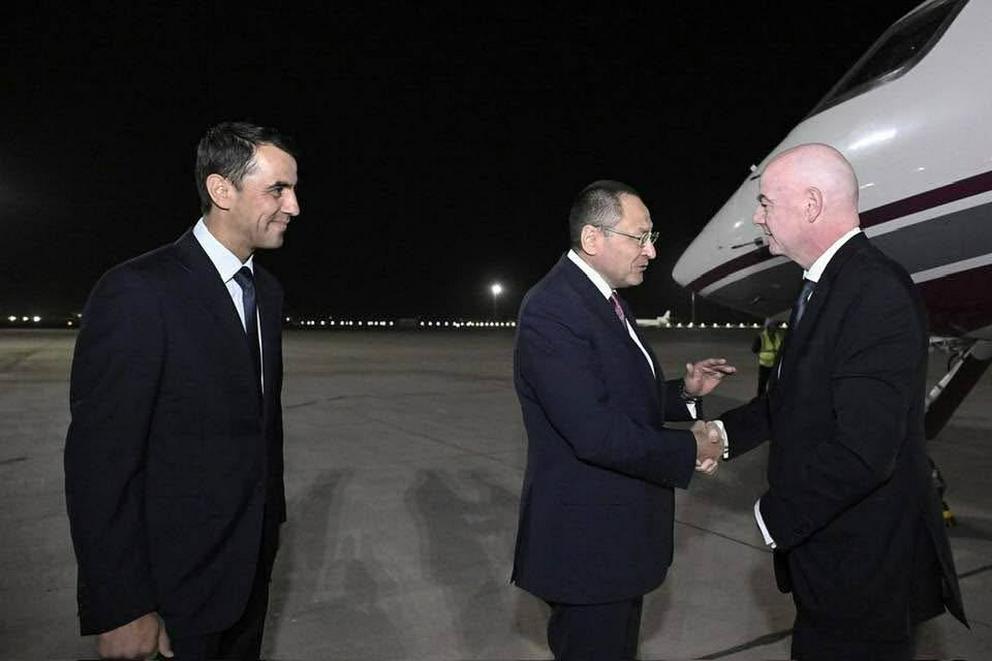 Infantino in Uzbekistan. Photo: Uzbekistan Football Association
The AFC leadership, meanwhile, is not particularly impressed that the FIFA president is visiting Asian national associations directly, without the confederation's active involvement. Asia remains divided: some federations are ready to back the incumbent, others oppose him, some want to see an alternative candidate first, and some will probably follow the AFC leadership's lead. Infantino's unexpected trip to Tashkent therefore looks less like the start of a separate Central Asian tour and more like one stop in a much broader campaign of outreach to national associations.
Even within Europe, there is no complete unity yet. Azerbaijan has openly demonstrated its support for Infantino, and in Latvia the local federation's leadership also welcomed the FIFA president warmly, despite political discontent over his visit inside the country. This is sensitive for UEFA, because the European confederation is trying to build a united front ahead of the decisive phase of the struggle.
Infantino feels quite different in Africa. CAF President Patrice Motsepe, a South African billionaire, again confirmed his support for his longtime ally. «When I was asked a few months ago why Africa supports Infantino, we unanimously adopted a resolution that we will support him in the next election. I want all of you to stand up and applaud Gianni,» he said at the CAF conference in Cape Verde. Delegates rose to their feet and applauded Infantino, who applauded along with them.
«Everyone has the right to be heard. If anyone has allegations against Gianni Infantino, me or any other president, take them to the FIFA Ethics Committee. We are all accountable,» Motsepe added. For the CAF chief himself, Infantino's backing also carries major political weight: next March, he faces his own battle to keep his position in African football.
Money, votes and the risk of a split in world football
In this situation, national associations become decisive. In the FIFA system, every member state has one vote. A country with a population of a few tens of thousands has the same formal political weight as Spain, England, Germany or Brazil. More than 50 FIFA members have populations under one million, yet each of those associations has one vote. As a result, a large number of small football federations can play a decisive role in the presidential election and other crucial votes.
Funding is directly tied to this. For the biggest European federations, a few million dollars from FIFA is of limited importance, while for a small national association such money can make up a significant share of its entire football development budget. UEFA is therefore proposing to change the principle behind FIFA Forward: every eligible national association should have a guaranteed right to funding through a transparent mechanism that does not depend on political loyalty to FIFA's leadership.
Moreover, the presidents of UEFA and CONCACAF, Aleksander Ceferin and Victor Montagliani, have proposed allocating at least $10 million from FIFA's reserves to each of the 211 national associations, on top of regular FIFA Forward funds. According to the initiators' estimates, the organization's reserves could reach about $6 billion by the end of the financial cycle. The political logic of the proposal is that national federations should not have to choose between investing in football development and keeping their positions independent.
Most of the requirements UEFA is making today are already contained, in one form or another, in FIFA's regulations. The problem, according to critics of the current leadership, is not so much a lack of rules as the way they are applied. The Europeans are therefore pushing for a system of oversight in which limits on the leadership's powers work in practice, not just on paper.
It is the dispute over the extent of presidential power that lies at the heart of the current crisis. Infantino's opponents consider a change of leadership a necessary condition for genuine reform. If the current course continues, they allow for a scenario that seemed almost impossible until recently: a split in world football and UEFA's withdrawal from FIFA-sanctioned competitions. For now, this is only a hypothetical threat, but its economic consequences are so great that it cannot be fully ignored.
Most of the world's top players play for European clubs. More than 800 of the roughly 1,200 players at the last World Cup represented European clubs. A significant part of the global football television market is also tied to Europe, and global sponsors' interest is largely determined by the size of the European audience.
FIFA without UEFA would formally continue to exist, keep its national associations and retain the ability to organize international tournaments. But a World Cup without Spain, England, France, Germany, Italy, Portugal, the Netherlands and other European teams would inevitably have a very different commercial value. A further question is whether UEFA itself could restructure the four-year cycle and create another major international tournament, inviting leading teams from other confederations. The idea of a global Nations League outside the FIFA system has already been discussed, so such a scenario cannot be dismissed as entirely fantastical.
For small national federations, such a conflict is especially dangerous. Their budgets depend heavily on FIFA revenue and development programs, and the main source of that money remains the World Cup. If a split cost the tournament a large share of its television and sponsorship value, accumulated reserves would keep the current system going for a while but could not replace stable revenue in the long term. For small associations, therefore, preserving the status quo is not necessarily the safest option either.
Uzbekistan occupies a special position in this struggle. It is no longer a peripheral football nation: the national team has qualified for the World Cup for the first time, the country has won the right to host the 2027 U-20 World Cup, and it is investing actively in infrastructure and strengthening the positions of its representatives in international football bodies. Infantino's arrival in Tashkent at this moment is therefore hard to view purely as another ceremonial visit.
That does not mean, of course, that the opening of the FIFA Arena or the meetings with Uzbek officials were in themselves part of any electoral deal. But the broader political context is clear: the FIFA president is actively engaging with national associations and their leaders at a time when each one's position has special significance for him.
New controversy over Infantino's pay
A few days before the FIFA Council meeting, another story emerged that could increase pressure on Infantino ahead of his first face-to-face meeting with his European opponents since the conflict escalated.
According to the U.S. tax filing Form 990, submitted by FWC2026 US Inc., the FIFA-created entity responsible for organizing the 2026 World Cup in North America, Infantino received $1.72 million from it in 2024 as additional compensation. The same filing lists more than $4.2 million in payments from related organizations. FIFA's 2024 annual report put the president's total compensation package at 4.274 million Swiss francs, but the separate $1.72 million payment from the U.S. entity was not disclosed there.
That is what prompted questions for the organization's leadership. FIFA's statutes require that the individual compensation of the president, Council members and secretary general be made public. FIFA denies breaking any rules and says it fully complies with financial reporting requirements, adding that the president's compensation and contractual benefits are determined by a special compensation subcommittee and declared to U.S. authorities in accordance with the law. The organization also rejects describing the payment as a «second salary."
The compensation subcommittee is chaired by Swiss banker Bruno Chiomento. Its other members are former Indian judge Mukul Mudgal and Spain's Antonio Moya Angeler. Chiomento also heads FIFA's Governance, Audit and Compliance Committee, one of the bodies meant to provide independent oversight within the organization.
I discussed the situation with Miguel Maduro, former chairman of FIFA's Governance Committee and a prominent Portuguese lawyer. In 2017, the committee under his leadership barred Vitaly Mutko, then Russia's deputy prime minister and president of the Russian Football Union, from standing for re-election to the FIFA Council because of political neutrality requirements. Maduro later spoke publicly about pressure from FIFA's leadership over that decision.
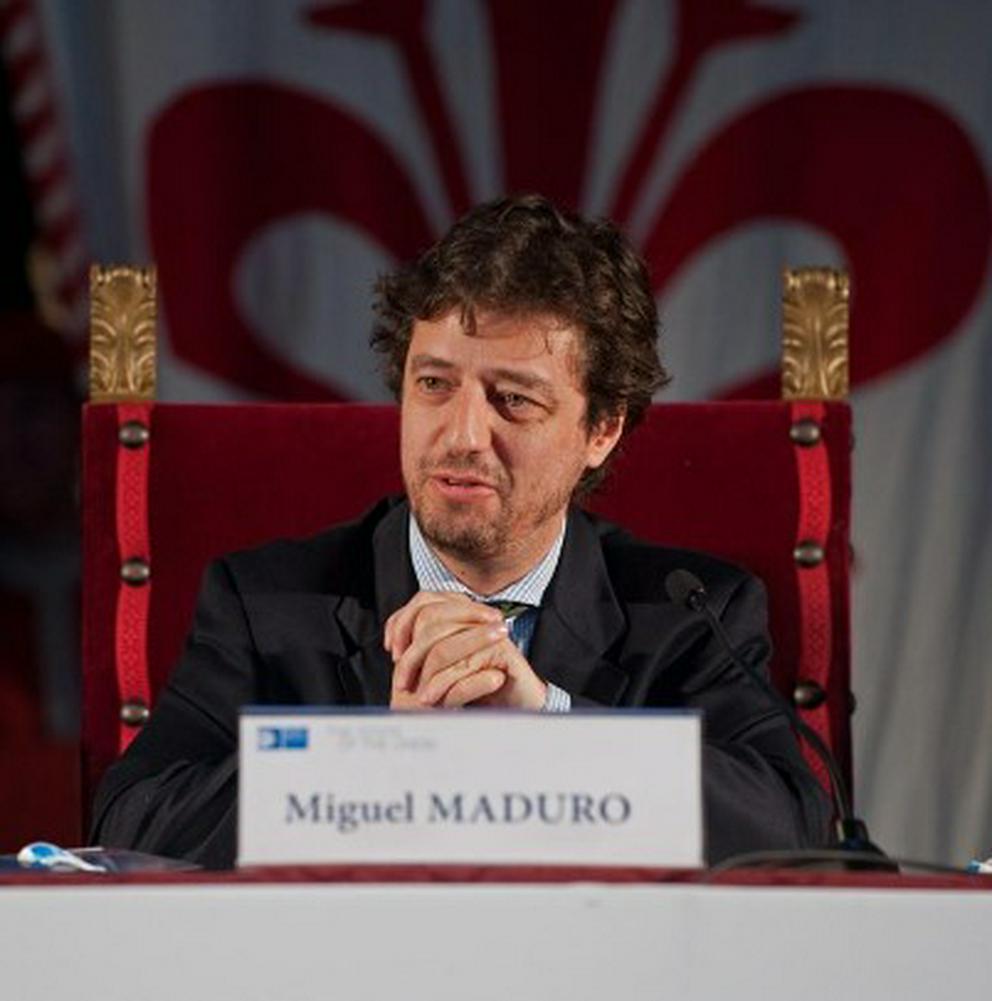 Miguel Maduro. Photo: Wikipedia
Maduro is also critical of the current situation surrounding Infantino's compensation. In his view, if the president receives additional sums from FIFA-related entities and those payments are not made public, a direct question arises about compliance with the organization's own transparency requirements. At the same time, Maduro stresses that a high salary for the head of world football is not in itself a problem: what matters is the disclosure of all forms of compensation.
Further questions concern Infantino's expenses after his move to Miami ahead of the 2026 World Cup. Britain's The Times reported, among other things, on the rental of an expensive house on Miami Beach owned by former Google chief Eric Schmidt. According to the newspaper's sources, comparable or even larger payments through the U.S. entity may also have been made in 2025 and 2026, but public tax filings do not yet allow that to be confirmed.
The timing of this information is especially sensitive for Infantino. On October 15 in Zurich, he will meet face to face, in the FIFA Council, with representatives of the European bloc for the first time since the conflict escalated. They are demanding limits on presidential powers, greater financial transparency and a change to the organization's governance system itself. The dispute over additional compensation thus arises at the very moment when stronger independent oversight of FIFA's leadership has become one of the central demands of Infantino's opponents.
The October 15 Council meeting will be the first serious test for both sides. It is due to discuss the organization's governance system, financial reserves and future principles for distributing funds to national associations, but the confrontation will not end there. UEFA has already said that institutional reform alone is not enough and that FIFA needs new leadership. Another meeting of all 55 European national associations is due before November 17, and by then both the shape of the opposition to Infantino and the prospects for an alternative candidate could become much clearer.
Until then, the FIFA president will apparently continue his global tour, meetings with national associations, openings of football facilities and efforts to strengthen ties with those who will help decide his political future. Against this backdrop, the September visit to Uzbekistan, which at first may have looked like a separate and somewhat unexpected trip, now looks like part of a far larger struggle over who will run world football, and by what rules.
-
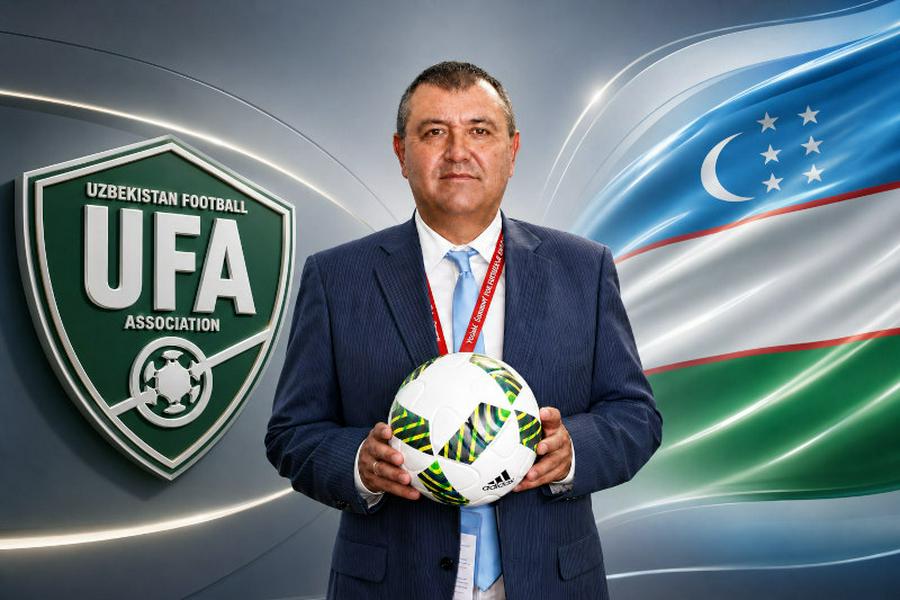 01 July01.07“Convincing ourselves and society that we are doing fine is a road to nowhere”Alisher Aminov on why the World Cup should not become an indulgence for the leadership of Uzbek football
 -
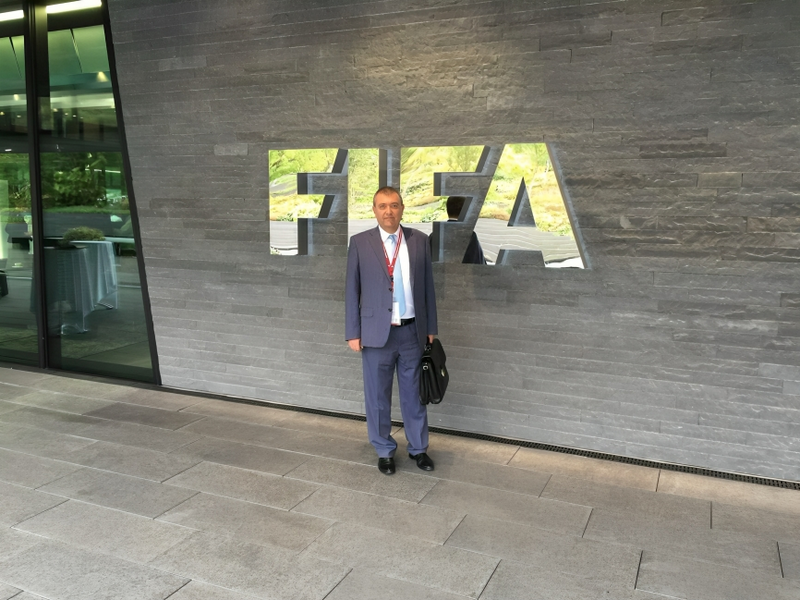 22 May22.05'FIFA Has Become a Political Cartel'Alisher Aminov on Gianni Infantino's bid for a third term
 -
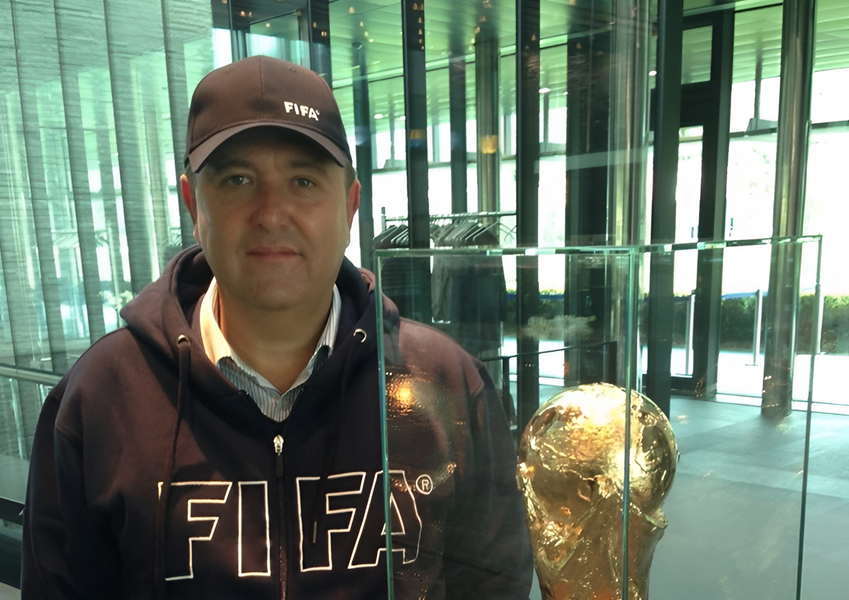 08 April08.04World Football Needs a Forced RebootAlisher Aminov on Italy's failure, Michel Platini, the «Iran case» and chaos at FIFA
 -
 17 December17.12Gulshan Is the BestYoung Uzbek Karateka Becomes World Champion
 -
 01 November01.11Catching Up with UzbekistanAlisher Aminov on the Problems of Kazakh Football and Plans to Fix Them
 -
 02 October02.10Football, Presidential StyleKFF Secretary General David Loria on the expansion of the Premier League, the new national team coach, and Tokayev’s role in Kazakh football
-
Gela Shekiladze sums up three years in Tajik football
-
Iran Courts the CIS and the Eurasian Economic Union
-
111 groups urge the World Bank to freeze funding for high-mountain dams after Nepal's deadly flood, naming Tajikistan's Rogun among projects to drop
-
Uzbekistan is expanding a Chinese cotton-growing method to a third of its cotton fields