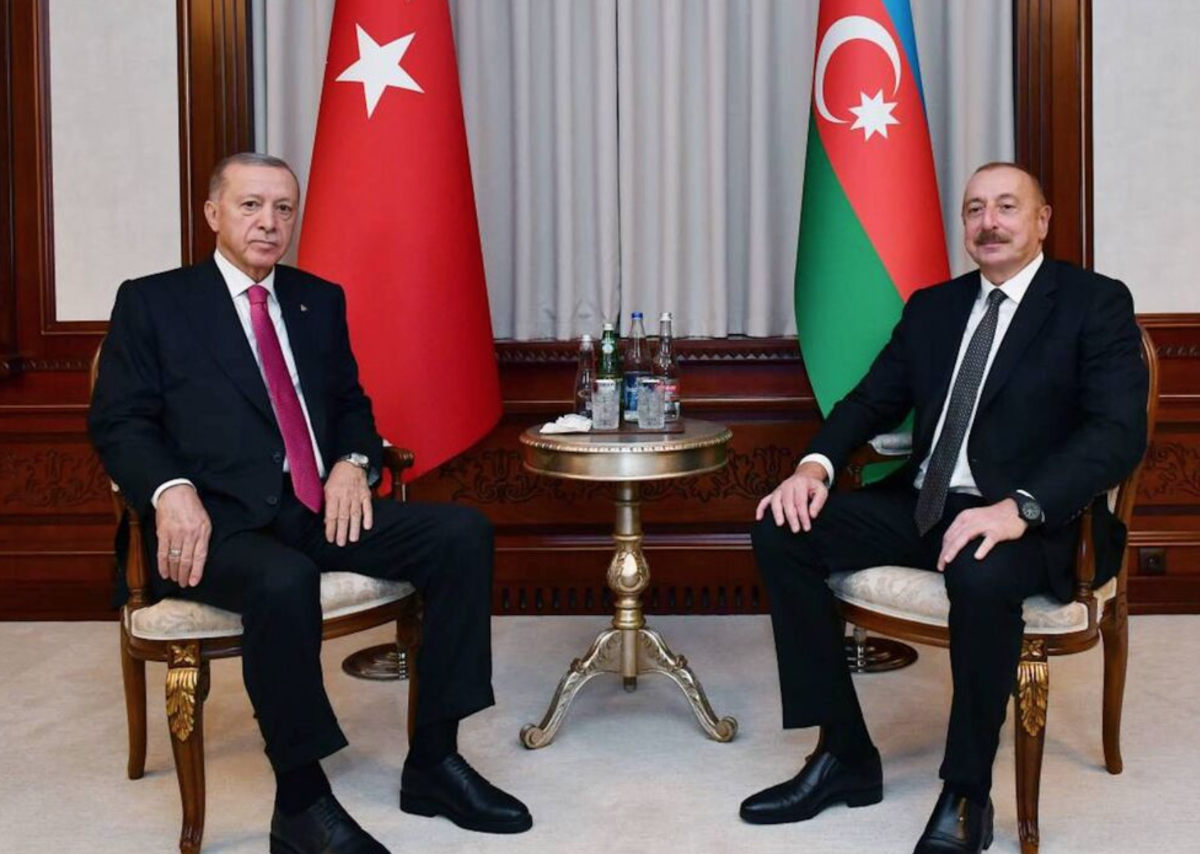
 Erdogan and Aliyev at a past meeting.
October 2026 exposed deep-seated fault lines within the seemingly rock-solid alliance between two close Turkic partners, Turkey and Azerbaijan. The rollout of new school uniform guidelines in Azerbaijan—effectively prohibiting female students from wearing the hijab—sparked not only domestic unrest but also an unprecedented diplomatic rift between Baku and Ankara. The episode demonstrates that the long-standing «one nation, two states» doctrine operates within rigid ideological boundaries.
Secular Standards and Street Protests
On paper, Azerbaijan’s updated school dress code makes no explicit mention of the word «hijab.» Instead, the directive invokes the principles of strictly secular education and unified standards. In practice, however, administrators began barring headscarf-wearing girls from classrooms, immediately triggering outrage among conservative segments of society.
The domestic backlash was swift and sharp. Parents across Baku and regional centers launched street demonstrations and school boycotts. Authorities responded with a familiar heavy hand: widespread detentions (the Interior Ministry confirmed 37 arrests, while human rights groups cited more than 200) alongside targeted throttling of social media platforms, notably Instagram and TikTok, which activists used to organize dissent.
For the administration of President Ilham Aliyev, suppressing religious protests is an imperative of national security. Azerbaijan’s ruling elite historically regards unauthorized displays of religious activism as a potential threat to the constitutional order, remaining wary of cross-border influence from both Shiite Iran and Sunni Turkey.
Ankara’s Reaction: Brotherhood with a Religious Hue
Developments across the border unleashed widespread indignation in Turkey. For the governing Justice and Development Party (AKP) and President Recep Tayyip Erdogan personally, championing Islamic values and safeguarding the right to wear the hijab represent foundational political tenets. Domestically, repealing bans on headscarves in state institutions stood as one of the conservative movement's signature triumphs over the Kemalist secular legacy.
Turkish Islamic organizations mobilized street rallies, demanding that Erdogan’s government intervene to «defend our sisters in Azerbaijan.» For the first time in years, rhetoric from Turkish officials toward Baku took on an ultimatum-like edge.
Ilham Aliyev’s Red Lines
Official Baku offered an exceptionally icy, public retort. Azerbaijan openly accused its Turkish counterparts of meddling in sovereign internal affairs. Aliyev’s message was unmistakable: solidarity in Karabakh along with deep military and economic ties do not give Ankara carte blanche to dictate Baku’s domestic ideological course.
Ukrainian political commentator Vitaly Portnikov, assessing the fallout, noted:
«In Turkey, they believe Aliyev encroached on sacred ground. The freedom to wear the hijab, which Baku has challenged, is a fundamental pillar of Erdogan’s own regime."
Other regional analysts similarly point out that Azerbaijan is determined to preserve its secular model. Across post-Soviet Turkic republics, secular governance serves as a primary tool to legitimize authoritarian rule. For Aliyev, ceding tight state oversight of the religious arena could jeopardize his administration's monopoly on power.
Geopolitical Fallout
The hijab controversy is unlikely to unravel the strategic military partnership; Baku and Ankara remain profoundly interdependent in energy transit and regional logistics across the South Caucasus. Nevertheless, the friction exposes a critical ideological divide.
Turkey is coming up against the limits of its soft power. Exporting a neo-Ottoman, religiously grounded political model faces resolute pushback even among its closest Turkic partners. Azerbaijan, meanwhile, is proving that its state identity is rooted in secular nationalism rather than religious unity. To safeguard that foundation, Baku appears fully prepared to assert itself: deploying force against domestic dissent and diplomatic resolve against overreach by its «elder brother."
Despite unprecedented rhetorical sparring, both capitals understand the catastrophic cost of a protracted fallout and have begun moving toward de-escalation. A major sign of a thaw arrived on October 23 in Ankara, where Devlet Bahceli—leader of the conservative Nationalist Movement Party (MHP) and President Erdogan's pivotal coalition ally—cordially hosted Azerbaijani Ambassador Rashad Aslanov.
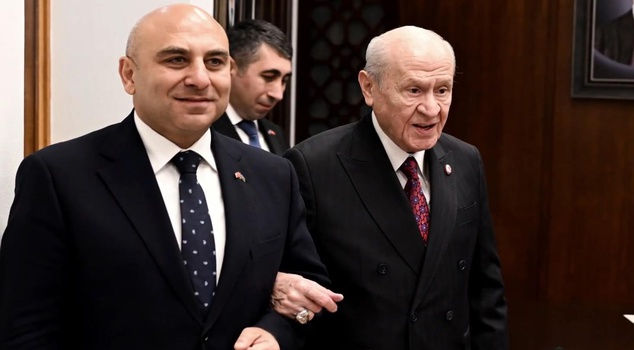 Azerbaijani Ambassador to Turkey Rashad Aslanov (left) and Turkish Nationalist Movement Party (MHP) Chairman Devlet Bahceli (right).
The symbolism of the encounter was unmistakable. Turkish right-wing nationalists have historically served as the primary ideological architects of Turkic integration. The meeting at MHP headquarters, covered with deliberate warmth by Turkish media, signaled that high-level political solidarity remains intact.
In a formal statement following the talks, Bahceli affirmed that relations between Ankara and Baku «transcend daily political developments and passing disagreements,» adding that the future of the Turkic world rests on «the sovereignty of independent nations and mutual respect.» The phrasing served as an artful diplomatic concession to Ilham Aliyev’s demand that Azerbaijan’s secular domestic legal order be respected.
The upcoming Organization of Turkic States (OTS) summit, scheduled for next week in Ankara, is set to turn the page on the dispute. Recep Tayyip Erdogan has already extended a personal invitation to Ilham Aliyev. For the broader Turkic world, the summit will serve as a bellwether: both heads of state will attempt to prove that the «one nation, two states» alliance can withstand ideological strain, and that geopolitical pragmatism takes precedence over school dress codes.
-
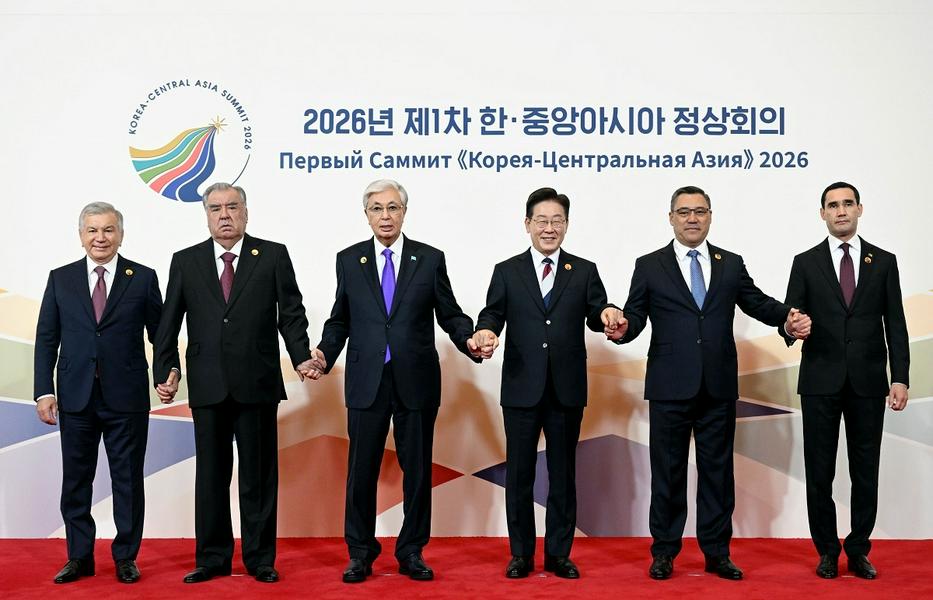 17 September17.09Summit of Morning FreshnessCritical minerals, artificial intelligence — what else was discussed at the “Central Asia–Korea” meeting
-
 08 April08.04World Football Needs a Forced RebootAlisher Aminov on Italy's failure, Michel Platini, the «Iran case» and chaos at FIFA
-
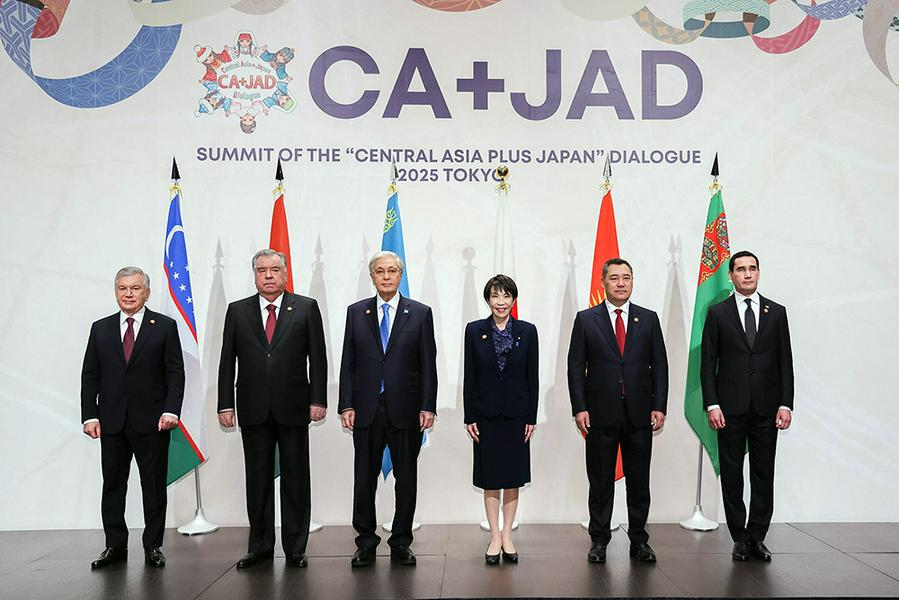 23 December23.12PhotoTokyo DriveJapan to invest about $20 billion in projects across Central Asia over five years
-
 17 December17.12Sake for SixCentral Asia’s Rapprochement with Japan Comes with Hidden Pitfalls
-
 30 September30.09When Sea Becomes Fact of the PastWhy Tokayev Is Concerned About the Health of the World’s Largest Enclosed Body of Water
-
 17 September17.09Risky PartnershipWhy Dealing with China Is Harder Than It Seems at First Glance
-
Tashkent sends troops to Russia’s Victory Day Parade for the first time. There they took part alongside their neighbours
-
Courting Votes as FIFA Faces Its Biggest Crisis in Years
-

Alisher Aminov on why the World Cup should not become an indulgence for the leadership of Uzbek football
-
