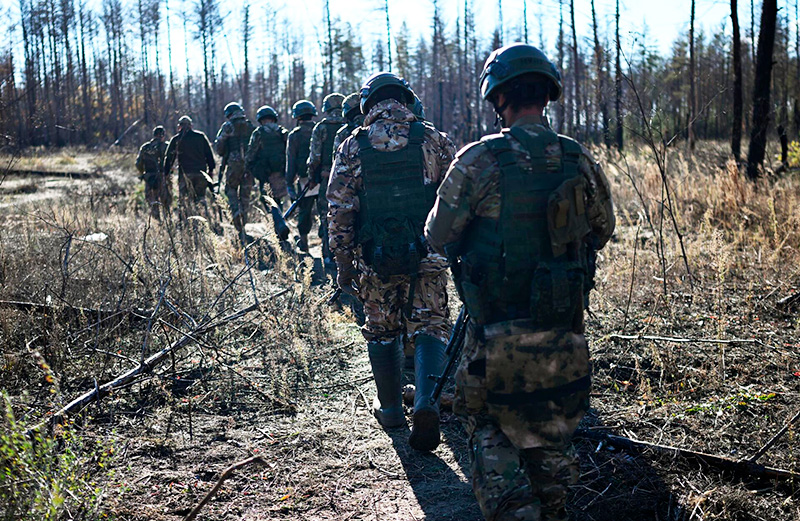
 Photo: sputnik-ossetia.ru
A 25-year-old resident of Uzbekistan’s Surkhandarya Region has been sentenced to three years in a minimum-security penal settlement for taking part in Russia’s “special military operation” (SMO) in Ukraine as a member of the Russian armed forces. The news was reported by Kun.uz, citing the verdict issued by the Uzon District Court.
The Uzbek national was found guilty under Part 2 of Article 154-1 (“Mercenarism”) of the country’s Criminal Code.
In court, the defendant fully admitted guilt but stated that he had been recruited into the SMO under false pretenses, believing he was signing deportation papers.
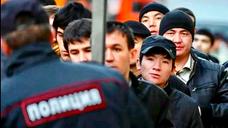
According to the case file, S.B., a native of Uzbekistan’s Uzon District, had been working in Russia since 2019. In April 2025, he was detained by police in the Moscow Region for lacking valid documents authorizing his stay in the country.
While held in a temporary detention facility, he was offered the opportunity to go to war in exchange for 3 million rubles (USD 37,500) and Russian citizenship after one year of service. He initially refused but later signed papers under pressure.
“On April 3, police officers told me, ‘Sign the deportation papers,’ and without letting me read anything, forced me to sign a contract for military service in the Russian army. On April 4, convoy officers and a special unit arrived and took us by bus to Voronezh,” S.B. testified in court.
According to him, in Voronezh the recruits were trained in firearms and basic medical care, and were threatened with long prison terms if they refused to serve.
“They trained us to use firearms, communication equipment, and to provide first aid. There were citizens of various countries,” he said.
After completing the training, the group was deployed to Ukraine, and later moved to a forested area near the town of Kreminna. They were assigned a combat mission to seize a bridge used to supply Ukrainian forces. While moving into position, their unit came under drone attack.
“As a result of the explosion, I sustained severe shrapnel wounds. I injected myself with a painkiller and applied a tourniquet to my left arm and left leg,” S.B. told the court.
He said that commanders informed them over the radio that an evacuation team could not reach the site. Wounded, he had to make his way back on his own, covering three kilometers.
After receiving treatment in military hospitals in Donetsk and Belgorod, he was granted leave. Using this opportunity, he returned to Uzbekistan on September 4.