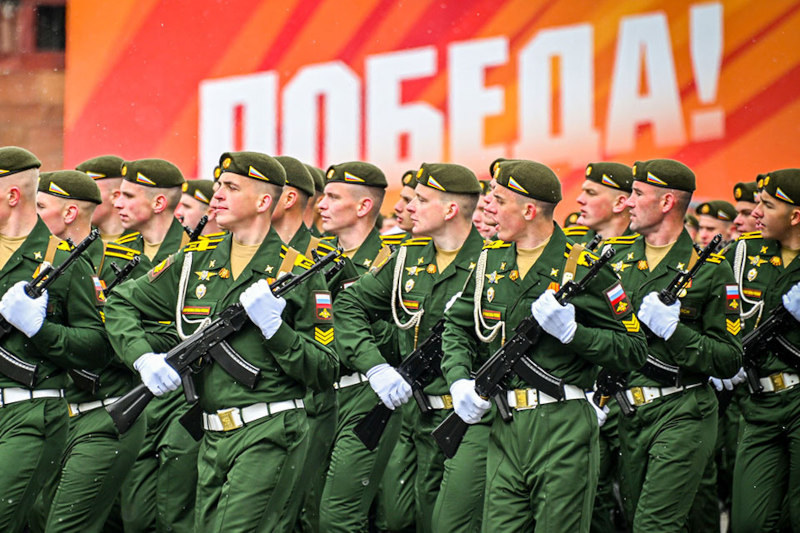
On May 9, 2026, Moscow’s Victory Day parade will take place under heightened security concerns: the Kremlin fears possible Ukrainian drone attacks, and no Central Asian leaders appear on the official guest list released by the Russian presidency.
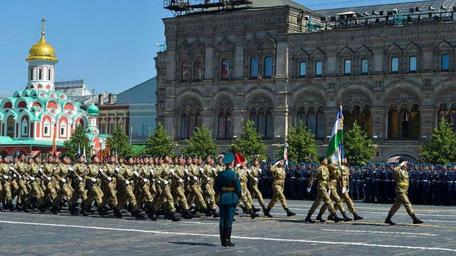
Three days before Russia’s main state holiday, marking the 81st anniversary of victory in what Russia calls the Great Patriotic War, the authorities announced that the Red Square parade would forgo heavy armored vehicles and missile systems for the first time in many years. Officially, the decision was attributed to the “current operational situation,” but in Kyiv and across much of the Western media it has been widely linked to fears of Ukrainian drone strikes.
Speaking at the European Political Community summit in Yerevan, Ukrainian President Volodymyr Zelensky said the decision to abandon the traditional display of military hardware was a “clear sign of Russia’s weakness.” “Russia is afraid that drones will fly over Red Square,” he said.
Russia’s response was immediate and threatening. The Defense Ministry warned that any attempt to disrupt the celebrations would be treated as a “criminal plan” and could trigger a massive missile strike on central Kyiv, while State Duma member Andrey Kolesnik said any response to a real threat would be “immediate and harsh.”
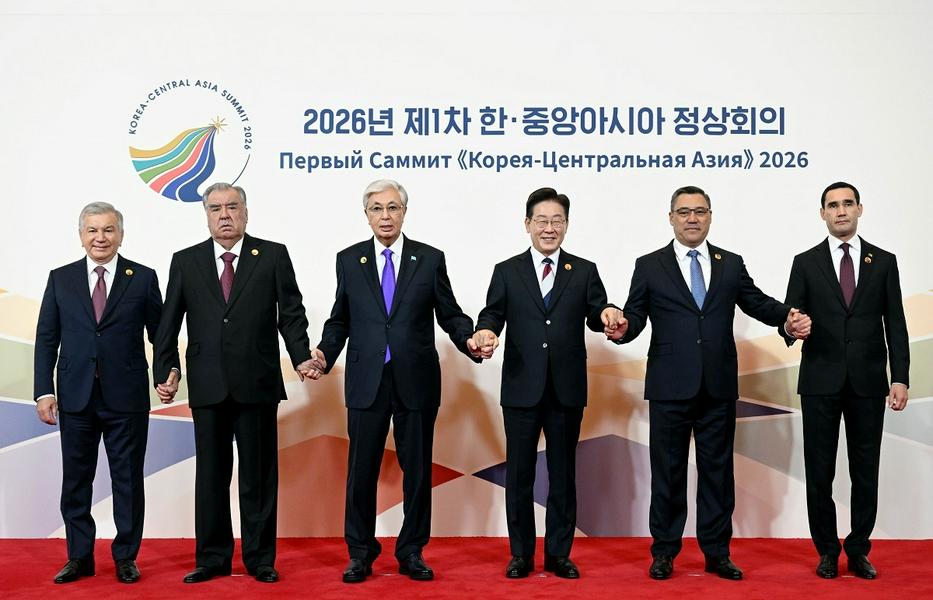
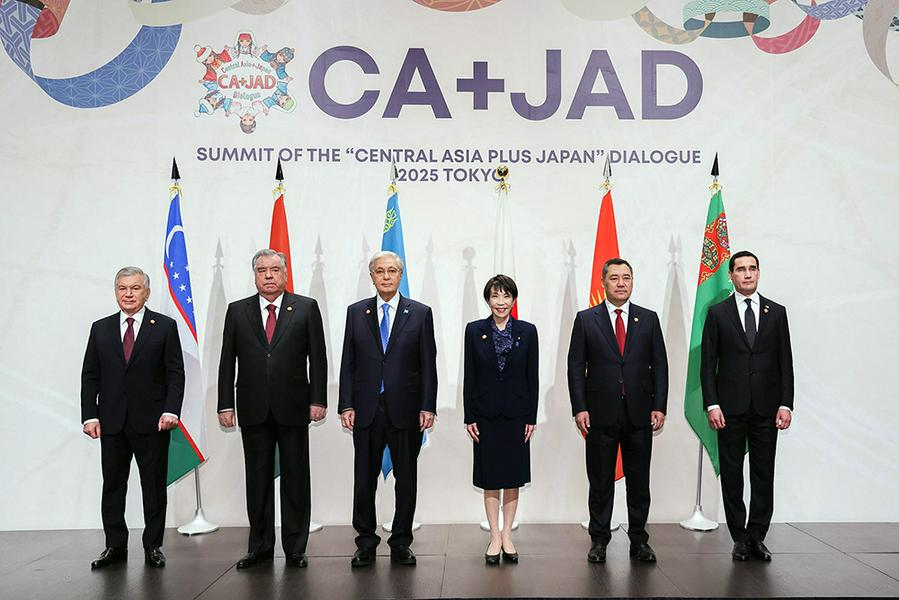
Against that backdrop, the Kremlin on May 6 published an official list of foreign delegation heads expected in Moscow for the Victory Day events. The list was notably short and included no leaders from Central Asia.
According to the Kremlin release, the expected guests are Alexander Lukashenko of Belarus, Robert Fico of Slovakia, Laos’ President Thongloun Sisoulith, Malaysia’s Supreme Ruler Sultan Ibrahim, and representatives of Abkhazia, South Ossetia and Republika Srpska.
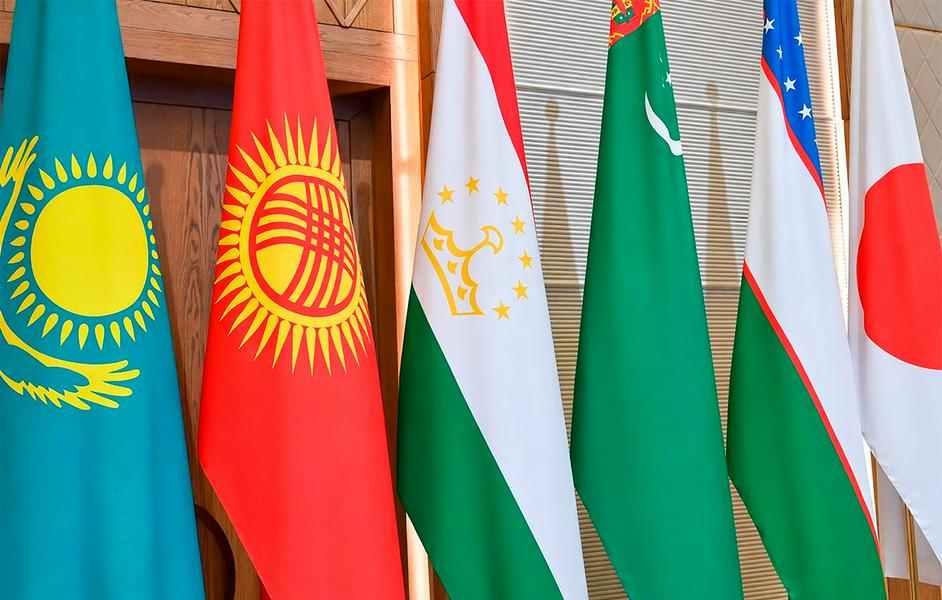
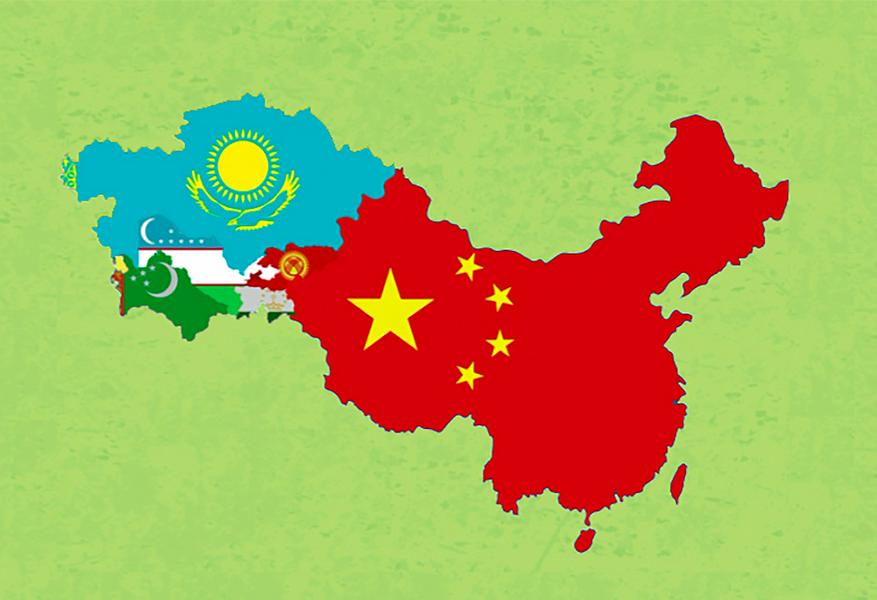
None of the presidents of Kazakhstan, Uzbekistan, Kyrgyzstan, Tajikistan or Turkmenistan is on the list.
That marks a noticeably slimmer lineup than in earlier years, when Central Asian leaders often appeared in force on Red Square alongside the Russian leadership. The absence is politically striking because Victory Day has long served as one of the Kremlin’s most important symbolic displays of power, and this year’s ceremony comes as Moscow and the surrounding region have repeatedly faced drone threats.