 Photo from aral.uz
In 2027–2029, when Uzbekistan holds the chairmanship of the International Fund for Saving the Aral Sea (IFAS), the country plans to implement 133 projects with a total value of $3.3 billion. A presentation outlining these initiatives was delivered to President Shavkat Mirziyoyev on November 9, according to his press service.
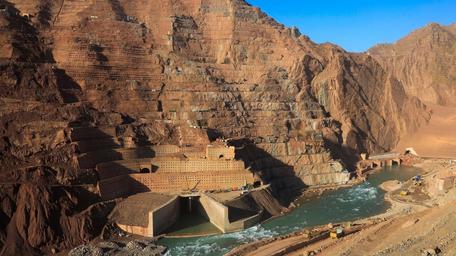
The near-term projects encompass water resources, environmental protection, and socio-economic development across the Aral Sea region. In particular, plans call for modernizing and reconstructing water infrastructure, introducing automated resource allocation and accounting systems, and launching a regional digital platform for hydrometeorological data monitoring, flood and drought forecasting, and early warning alerts. Additional initiatives aim to expand public access to drinking water and sanitation services.
International financial institutions will help fund the projects, including the World Bank, the Asian Development Bank, the European Bank for Reconstruction and Development, the Green Climate Fund, and the Global Environment Facility.
Emphasizing the importance of these initiatives, Mirziyoyev ordered the approval and strict execution of a monthly roadmap for the upcoming year. The president also stressed the need to engage international experts, scholars, and researchers, including members of the Uzbek scientific diaspora abroad.
The presentation outlined key priorities for Uzbekistan’s upcoming IFAS chairmanship. Special focus will be placed on upgrading the fund’s organizational structure and legal framework, clearly delineating the responsibilities of its bodies, and strengthening cooperation with Afghanistan.
Officials also discussed additional strategic measures. Notably, they proposed transforming the National Research University «Tashkent Institute of Irrigation and Agricultural Mechanization Engineers» into a scientific and analytical hub to advance IFAS initiatives. In line with this shift, the university will revamp its operations by accelerating the integration of artificial intelligence into academic and research programs while broadening scientific research in ecological restoration and water conservation.
At the same time, experts will establish a unified database for the Amu Darya and Syr Darya river basins and formulate a targeted action plan to combat desertification. The university will also launch undergraduate and graduate degree programs in water management tailored to the specific needs of Central Asian nations and Afghanistan.
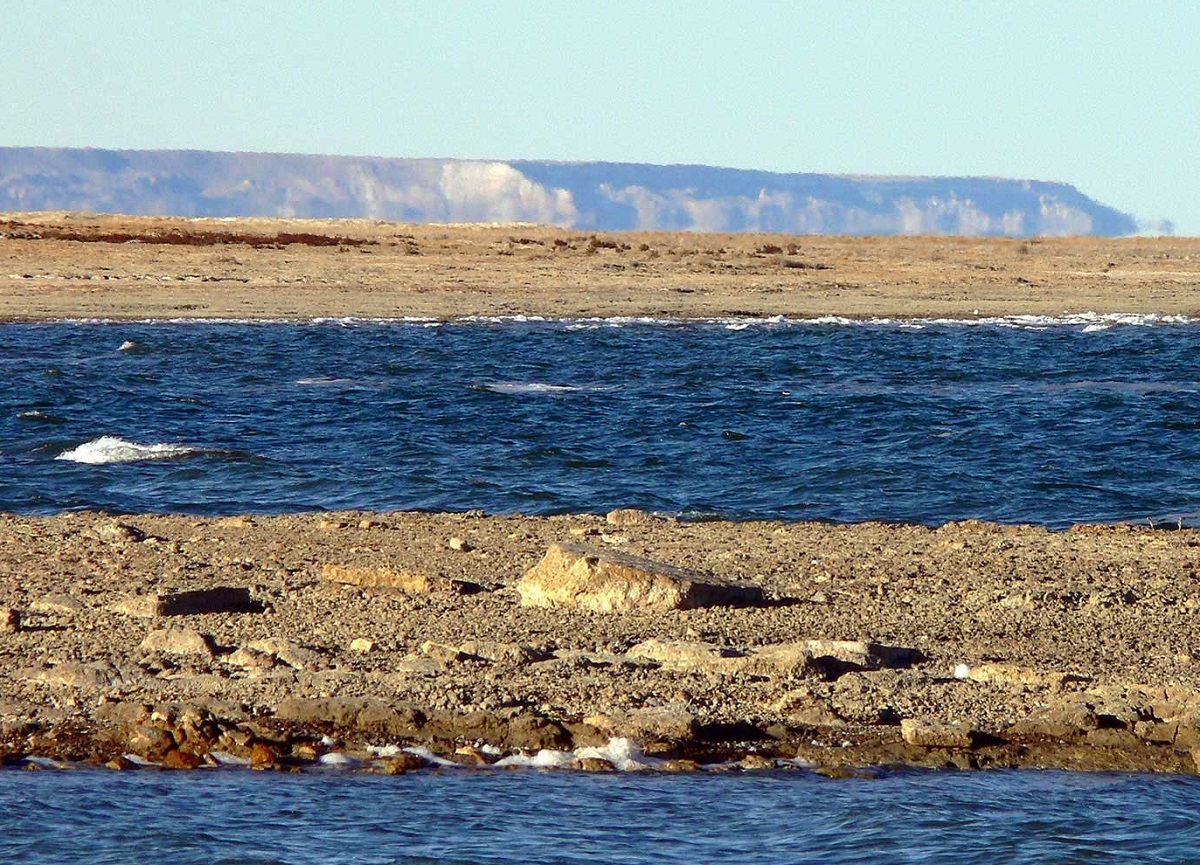
ℹ️ Central Asian states founded the International Fund for Saving the Aral Sea in 1993. Over the years, coordinated regional cooperation and backing from major financial institutions have enabled IFAS to ensure integrated water resource management across the Aral Sea basin. Kazakhstan currently chairs the organization, with the rotating leadership passing to Uzbekistan next year.