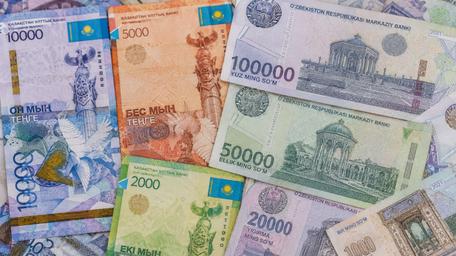
The International Monetary Fund (IMF) expects Uzbekistan’s real GDP to grow by 6.8% in 2026 and 6% in 2027, citing strong consumption, rising investment, and ongoing structural reforms. The forecast is outlined in a report prepared after consultations with the Central Asian republic’s government and published on June 18 on the IMF’s website.
IMF experts say that continued reforms, combined with tight monetary policy, should help bring inflation down to 5% by the end of 2027, in line with the Central Bank of Uzbekistan’s target.
The current account deficit is projected to narrow to 3.2% of GDP in 2026, supported by higher global gold prices. International reserves are expected to remain at a comfortable level, covering more than 12 months of imports by year-end.
The positive outlook reflects strong macroeconomic performance. In 2025, real GDP grew by 7.7%, while growth accelerated to 8.7% year-on-year in the first quarter of 2026. Unemployment and poverty continued to decline, and inflation eased to 7% in January–March.
The report highlights Uzbekistan’s robust economic trajectory, including steady growth, declining inflation, improved fiscal and external balances, and adequate international reserves.
At the same time, the IMF warns of potential risks, including a worsening global economic environment and the possibility of overheating. Inflationary pressures could also intensify due to developments in the Middle East. The Fund advises the Central Bank to remain ready to tighten monetary policy if needed.
The IMF also outlines policy recommendations aimed at sustaining growth. These include reducing the state’s role in the economy and strengthening the private sector to create a level playing field and attract foreign investment.
Further reforms in public administration — including effective whistleblower protection and asset declaration systems — are expected to boost accountability and investor confidence.
“Strengthening competition policy, ensuring effective sectoral regulation, and completing WTO accession will enhance market efficiency and export diversification,” the report states.