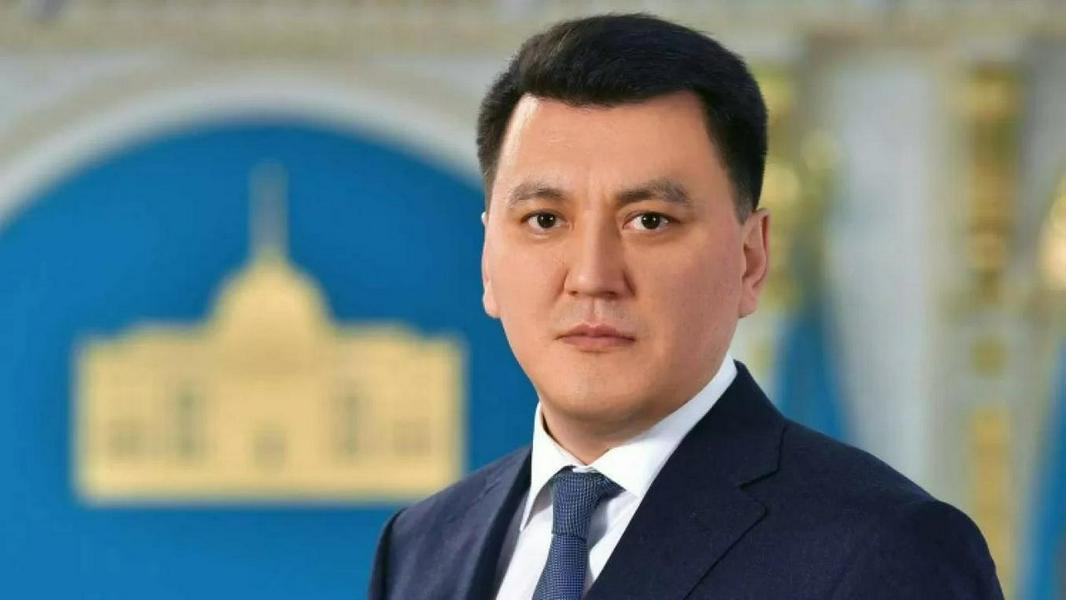
Uzbek President Shavkat Mirziyoyev has signed a law refining the Latin-based Uzbek alphabet, Saida Mirziyoyeva, head of the Presidential Administration, announced.
The law was signed on October 21, the day the nation celebrates Uzbek Language Day. It will take effect six months after official publication.
“Will all documents have to be replaced now? Not at all. We chose a cost-minimizing approach: all existing documents, national currency, and securities will remain valid, while textbooks, signs, and road markers will be replaced gradually as they reach the end of their service life,” Mirziyoyeva emphasized.
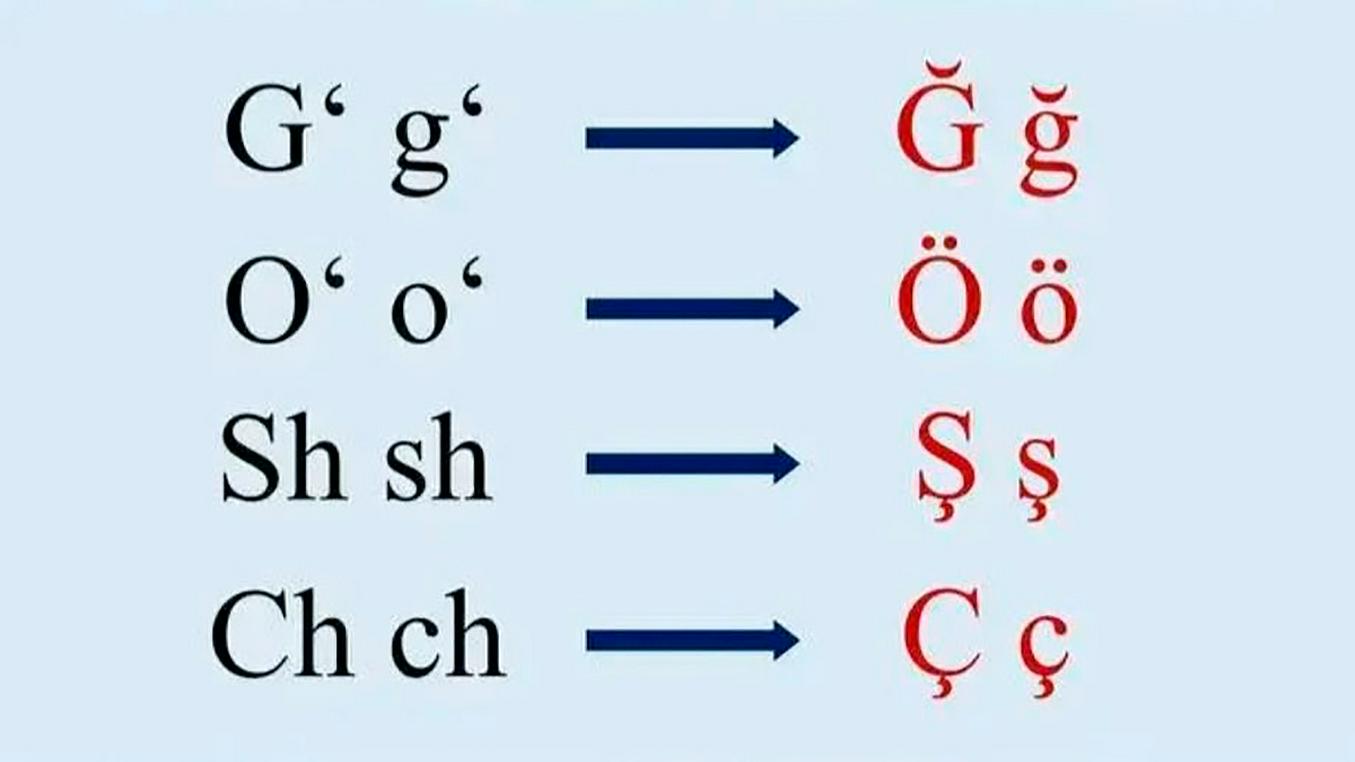
The newly approved legislation amends the 1993 law “On the Introduction of the Uzbek Alphabet Based on Latin Script.” Under the amendments, instead of the current 26 letters and three digraphs, the alphabet will comprise 28 letters and one apostrophe. Four letters currently rendered with two characters will receive dedicated single symbols: “oʻ” becomes “ö”, “gʻ” becomes “ğ”, “sh” becomes “ş”, and “ch” becomes “ç”. The digraph “ng” is removed from the alphabet, while all other letters remain unchanged.
The alphabet’s developers adhered to the “one sound, one letter” principle and drew on the experience of other Turkic-speaking nations: the new letters align with Turkish, Azerbaijani, and Turkmen scripts, as well as the 34-letter common Turkic alphabet promoted by the Organization of Turkic States (OTS).
Uzbekistan introduced the Latin-based alphabet in 1993. The initial version already included the letters Ş, Ç, Õ, and Ğ. However, in 1995, authorities removed them, replacing them with the combinations Sh, Ch, Oʻ, and Gʻ. For decades, linguists described that decision as the primary flaw of the language reform. Meanwhile, deadlines for full transition were repeatedly pushed back: from 2000 to September 1, 2005, and later to 2010. Read more about this in our article “Uzbekistan changes alphabet again.”