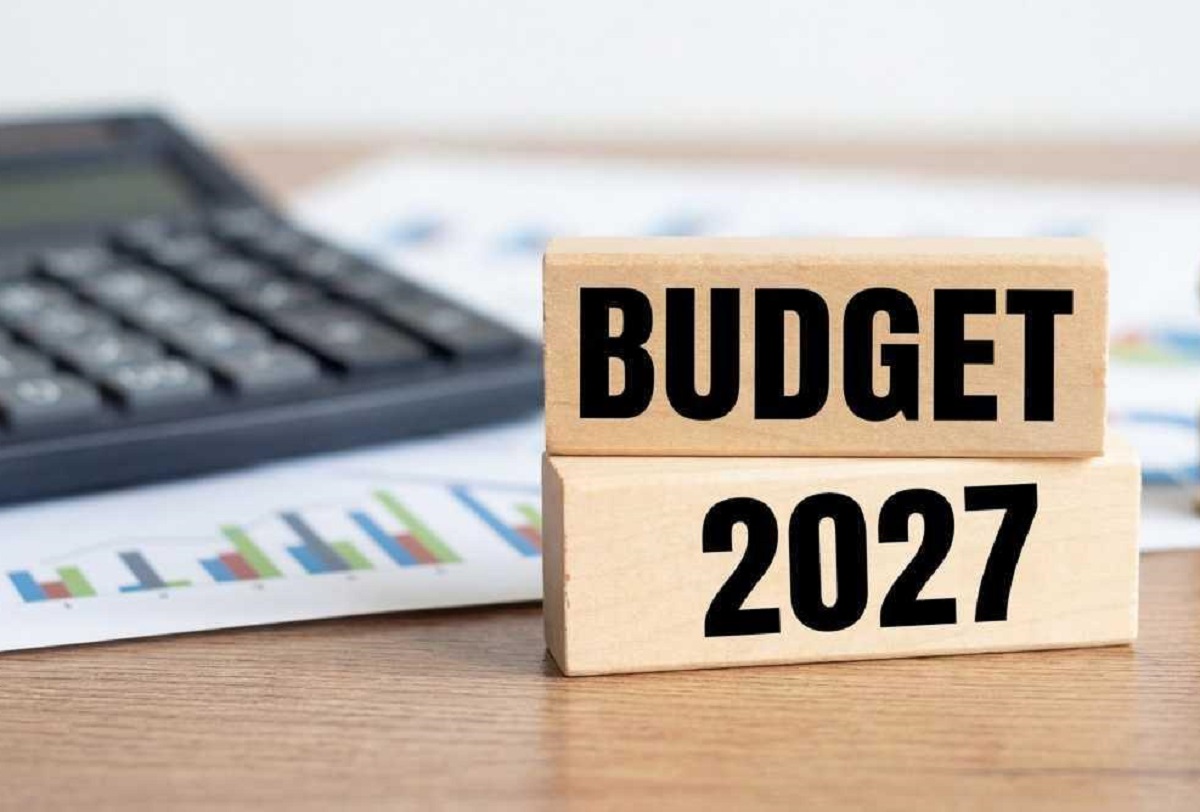
In 2027, Uzbekistan's state budget revenues are projected to reach 416 trillion soums ($34.5 billion) against expenditures of 464 trillion soums ($38.5 billion), setting the expected deficit at no more than 48 trillion soums (approximately $4 billion). These targets are contingent on the national economy expanding by at least 7%. Officials unveiled the draft budget for next year at a cabinet meeting chaired by President Shavkat Mirziyoyev, his press service reported.
Key macroeconomic forecasts also indicate that gross domestic product (GDP) will climb to $232 billion in 2027. Inflation is projected to slow to 6% next year and ease further to 5% across 2028–2029. Meanwhile, exports—excluding gold sales, traditionally one of Uzbekistan's primary export earners—are expected to surge to nearly $40 billion.
Authorities underscored that the budget will preserve its strong social commitment. Education reforms will receive 114.3 trillion soums (around $9.5 billion), an increase of 14 trillion soums ($1.1 billion) over the previous year. Healthcare allocations will total 61.4 trillion soums ($5 billion), up 12 trillion soums ($996 million) from 2026.
Additionally, 70 trillion soums ($5.8 billion) is earmarked to upgrade local infrastructure across regions and mahallas (neighborhood communities), bolster employment and household incomes, develop human capital, and expand social safety nets.
Maintaining annual economic growth at or above 7% will require pivoting toward a new economic model centered on high value-added production across all industries, higher labor productivity, export expansion, and the creation of well-compensated jobs.
International best practices show that sustainable development relies on competitive export-oriented manufacturing, technology transfers, investment efficiency, macroeconomic stability, and an economic policy framework capable of adapting to shifting conditions.
In response, officials noted that a new strategy is underway to accelerate growth in chemicals, petrochemicals, machine building, electrical engineering, textiles, pharmaceuticals, and other vital sectors. These initiatives are expected to draw foreign capital, with targets to secure at least two to three major international partners in every key sector by 2027.
Strategic attention will also focus on emerging industries, such as semiconductor manufacturing, robotics, biotechnology, and the production of automotive components and electric vehicle batteries.
Broader structural reforms will remain central to the economic agenda, including the corporate overhaul of state-owned enterprises and commercial banks, large-scale privatization, and Uzbekistan's ongoing accession to the World Trade Organization (WTO).
Fiscal policy was another major topic of discussion. According to officials,
in 2027, the government plans to keep baseline tax rates unchanged.
Under this tax stance, revenue growth will rely on stimulating business activity, curbing the shadow economy, and enhancing tax and customs administration. Concurrently, the government plans to eliminate inefficient expenditures, improve returns on public investments and state subsidies, and enforce stricter fiscal discipline.
Meeting participants noted that economic growth for the current year is projected at 8%, with GDP expected to top $200 billion and per capita income reaching $5,200. These results will establish the groundwork for achieving Uzbekistan's 2030 targets: expanding GDP to $300 billion and raising per capita income to $10,000.